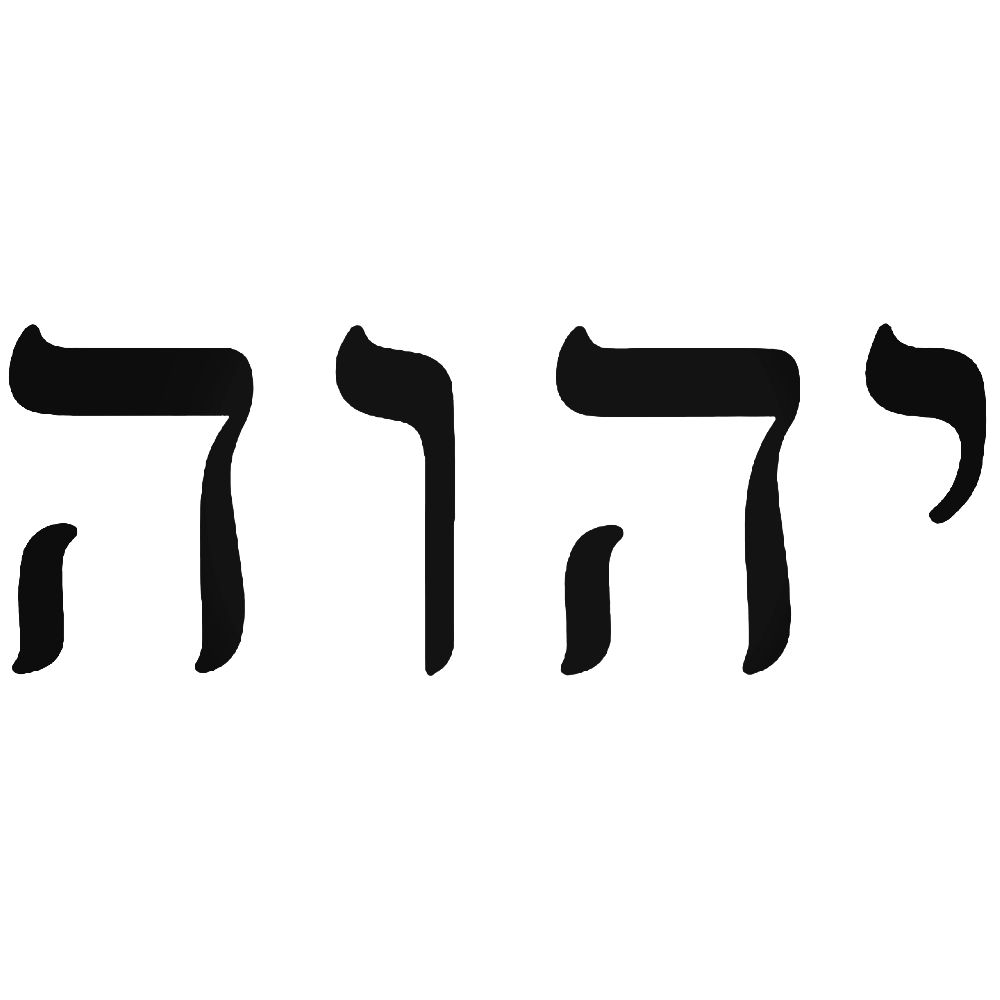
Theologians use the term theology proper to designate the study of God’s Being, as opposed to the broader theology which encompasses all of Scripture’s revelation. It is theology in its truest and most important sense because it is specifically the study of God. As such, it has a few distinctive areas of study, which we will look at with some modification:
- The Existence of God. Many authors take time to defend God’s existence by the traditional arguments. Then they proceed to dismantle false views of God.
- The Trinity. Monotheism and trinitarianism are affirmed, and so God is both one and three, each in different senses.
- The Attributes of God. The attributes of God are discussed either by broad category or by themselves. These are things true of God, and there is no one set of attributes that can be declared as “final.”
- The Works of God. The works (sometimes called “decrees”) of God encompass God’s creatorial purposes and how His providence interacts with men and their destinies. Often a discussion of sovereignty and free-will comes in.
- The Fatherhood of God. Because Christology and Pneumatology are specific disciplines, God the Father is studied under the banner of Theology Proper.
It is difficult to completely approve or completely disapprove of how theology has been handled in the past. A primary difficulty is that systematic theology, because it is deemed a “science,” often “academizes” the knowledge of God. Thus, we can know about God without knowing Him. This is dangerous because hardness comes when we consider God without worshiping Him. Right study of God is always a means of worship.
Yet we cannot be extreme and shun past advances in theology because we owe a great debt to scholars who knew God and used their genius for His glory. The mind is not opposed to worship. There is everything right with knowing what relates to our study, whether that be apologetics, history, philosophy, or whatever. We cannot ignore these things as if they do not exist and have no bearing on us. The issue is in how we balance worship with scholarship. My burden is to know God through His Word; anything else is less and non-essential. However, if I know God through His Word, then I must rightly handle that Word in wisely applying it to the controversies of the past if that would so equip me to deal with present controversies. So, I do not apologize for being slightly academic in my writing, using terms and referencing history throughout, or dealing with specific controversies that are relevant to the discussion.
I would apologize, however, if that was my emphasis. It is not. This is not an academic work. My burden is plain. If I am to study God, it is not to widen my knowledge, but to know Him. If I am to write on God I must be prepared to foster worship. There is no other legitimate reason to contemplate God than to advance in worship and obedience. The knowledge of God is a practical thing, and so it must engage heart as well as mind. Anything less does not glorify Him.
The Unknown God
If any had an open mind, it was the Athenians. Luke’s historical assessment of them was, “Now all the Athenians and the strangers visiting there used to spend their time in nothing other than telling or hearing something new” (Acts 17:21). They were tolerant, it seemed, of other perspectives; this was obvious since the city was “full of idols.” And this was certainly not because they were passive. No, they were “very religious in all respects” (v. 22). They were so paranoid, in fact, that they set up an altar to an unknown god in case they missed a deity.
As Paul steps into the middle of the crowd and begins to speak, he cannot preach the gospel of any god they had known, for they were all false. The closest these Athenians came to knowing the true God was to admit that they did not know Him. Even in their efforts to be comprehensive and know deity whatever it took, they could not find the true God. No, it took the revelation of the gospel for them to find Him.
The lesson is plain: the most open minds and the most yearning hearts cannot by their own reasonings attain to the knowledge of God. Unless God reveals Himself, man cannot know God. This does not mean He is far, for “in Him we live and move and exist” (v. 28). But it means man is so darkened that he cannot relationally perceive God by natural means. Man must repent upon receiving divine revelation to know God. Otherwise, He will remain unknown.
To contemplate God is not to figure Him out. To contemplate God is not to reason up to Him. To contemplate God is to respond to His full revelation, though that means embracing deep mysteries. So be it. After all, if our god can be categorized, he is no true God. If our god can be comprehended, he is not Yahweh. “Can you discover the depths of God? Can you discover the limits of the Almighty? They are high as the heavens, what can you do? Deeper than Sheol, what can you know?” (Job 11:7-8). We do not pursue God so that we may take knowledge from Him; it is not ours to take. We pursue God because we believe He graciously gives it, and this is all the hope we need. This vision stirs us to contemplate Him daringly and to love Him as He speaks. Philosophy cannot find out God. Psychology cannot find out man. Religion cannot cover sin. Man’s solutions have crumbled, yet God has spoken and shown us the way to find Him. Let us rest, not on fallen reason, but on divine revelation. God has opened the way, not for us to comprehend Him, but for us to know Him. Though unknown to human efforts, He is known to the humble seeker who responds to Him on His terms.
Theology is a mystery, really. We are attempting to pursue the invisible. We are attempting to know the unknown. We are attempting to contemplate the incomprehensible. Yet grace is enough for us. God Has spoken and has enlightened our hearts to His glory. The mystery does not grow less, but grace allows us to function with the mystery fully intact. God has not changed, yet He has brought us to Himself and laid our heads on His heart. Tremendous salvation that is ours! We have yet to discover its depths. If God has so committed Himself to us, let us yield ourselves to Him. Let us know Him.
How We May Categorize God’s Attributes
An attribute is something attributed. With God, an attribute is anything intrinsically true of Him. Therefore, a study of God’s attributes is our way of studying God Himself. Because there are so many things true of God, we must be deliberate in how we approach these things; so, categories are helpful. At the same time, God is one, and He cannot be divided. That means we cannot think these categories to be definitional of God. Rather, they are devices for finite creatures that help us process information about an infinite God.
Perhaps the more popular division is between communicable and incommunicable attributes. We recognize the word “communicate” more readily, and this is the idea behind those words. A communicable attribute is something God can communicate or transfer in some measure to us. Righteousness can be imputed. Holiness can be commanded. Eternal life can be given. But there are attributes like omnipotence and omnipresence which cannot be given to creatures; therefore, they are incommunicable, non-transferable.
Then there is the division of life, light, and love; three parallel words we could use are greatness, glory, and grace. His attributes of life flow from the fact that He is a self-existing Spirit (e.g. infinity, eternity, omnipotence, etc.). His attributes of light flow from the fact that He is holy (e.g. righteousness, truth, faithfulness, etc.). His attributes of love flow from the fact that He is good (e.g. kindness, mercy, grace, compassion, longsuffering, etc.). Life, light, and love are the three tests that John gives[1] to prove genuine salvation, and it is fitting that they should reflect what it is to know the true God (1 John 5:20) Who is these things.
Some have divided God’s attributes into relative and non-relative. That is, they say some attributes are recognizable only because created beings exist to contrast them (e.g. omnipotence, holiness, wrath, etc.). However, this is an unhelpful categorization since the Lord does not change as to His essential Being and will[2]. How God responds to His creation depends on His timeless attributes. For instance, wrath is not a timeless attribute of God; it is the response of His holiness to sin. Thus, wrath is an extension of His holiness, not an attribute in itself. We must consider God for Who He was, is, and always will be. Deity cannot change.
[1] 1 John 1:2-3, 5-7; 4:8-10 are representative examples of themes repeated in the book.
[2] “From everlasting to everlasting, You are God” (Psalm 90:2). “I, the Lord, do not change” (Malachi 3:6). “Jesus Christ is the same yesterday and today and forever” (Hebrews 13:8).