
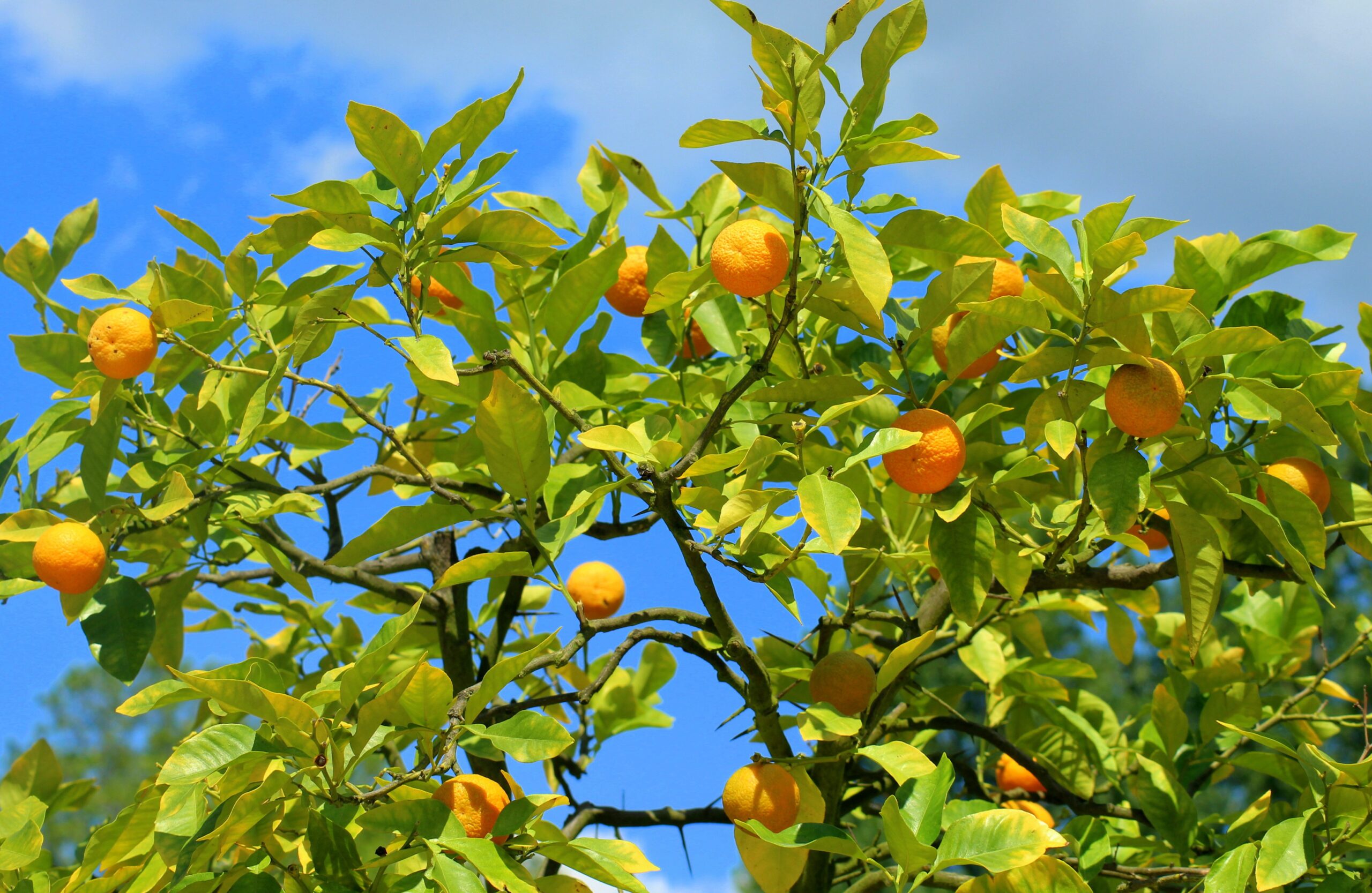
Galatians 5 is a very familiar passage to most Christians. It contains the works of the flesh and the fruit of the Spirit; two lists of characteristics that are in complete opposition to each other. The first list is what we used to be bound to in sin. The latter is what we are to emanate since being born again. As a sinner, I did what my flesh desired, but now through the Spirit I can say no to those things and pursue godly living in Christ Jesus.
On this day seven years ago, Micah was called home to be with his Saviour. Today I would like to share an excerpt from his study on Galatians 5. It may appear as a lengthy read to some, but I trust it is worth while. This isn’t so much a study on each part of the fruit, but on why and how a Christian is to bear fruit. In this article, Micah lays out several scriptures and leaves us with thought provoking questions. I pray each one who reads this will be blessed and stirred up to live more for Christ.
‘But the fruit of the Spirit is love, joy, peace, longsuffering, kindness, goodness, faithfulness, gentleness, self-control. Against such there is no law. ‘
Galatians 5:22-23
Fruitfulness
As every mature Christian knows, sanctification is both from and toward. It is a very basic principle of life; one cannot both make progress, and remain stationery. He must move from his current position that he might find another. So far in Paul’s writing in Galatians 5, we have seen the “from” aspect of our profession, but where do we go from here? Into spiritual abundance: bearing the fruit of the Spirit. Unless we have a firm grasp of the direction we take when denying fleshly lusts, we will only lapse back into them. There is no middle ground. We cannot have the best of both worlds as it were—enjoying the world’s entertainment, philosophy, morality, etc. –while apparently striving for spirituality. God has given us one standard, which means our obedience is by one standard. “What is it?”, you may ask. It is that which the Spirit of God works and forms within us: thus, it is called the fruit of the Spirit.
Fruit is quite a prominent subject in Scripture, and understanding what it is associated with helps us understand the truth of spiritual fruit. For instance, Luke 8 points out the necessity of sowing; we apply that to the Word of God. John 4:36 presents sowing and reaping in terms of gospel work. John 12 describes the necessity of death for there to be life (fruit): we apply this to dying with Christ. However, there are three other concepts which Scripture conveys that are essential to grasp if we are to grow spiritually.
- Fruit is associated with a tree. Psalm 1 speaks of a tree firmly established beside its life source, which as a result “bore fruit in it’s season”. It emphasizes for us our need to soak in the Word of God and be firmly rooted in its Truth. This is how the Spirit works in us—through His Scriptures. Then Matthew 7 also adds that a tree is known by its fruit, meaning the extent to which we see the Spirit of God changing us is the extent to which our profession is believable. What kind of “tree” are you aiming to be? An established tree that is undivided in its consistency, well-grounded in livelihood, and unquestionable in it’s yield?
- Fruit is associated with a test. (John 15:5,8) If Christ is the Vine by which we bear fruit, surely the character traits in Galatians 5:22-23 are the development of His very character within us. God’s ultimate goal is to form our souls into the image of His Son. We are responsible to God first and foremost for our character, yet this achievement of godliness will never be ours unless we are looking to Christ and abiding in Him. We are nothing in and of ourselves. In fact, the Lord calls us to claim the title “unprofitable slave” when we have done our duty. Why? To remind us of our need for Him and His strength.
- Fruit-bearing includes a day of assessment. (Luke 13:6) While this passage does have a different context than our personal fruitfulness, the point remains that when God supplies us with the resources to bear much fruit, He expects that we do just that. He then proves it by revealing to us the judgement seat of Christ; that place where our deeds in the body will be manifested for what they are worth. Dear believer, when considering these nine spiritual fruits of Galatians 5, understand that they are not simply preferrable Christian character. They are the only standard of Christian character and of your usefulness for God. It will be these qualities in us and in our actions that God will judge. How much wood, hay, and stubble will be yours?
In a practical way, we need to first of all understand the sovereignty of God at work in our lives toward our bearing fruit. Philippians 2 says “for it is God who works in you both to will and to do for His good pleasure”. Whatever efforts we make to increase our spiritual harvest, we must understand that they are ultimately means by which God works in us. That is why the chapter of fruit bearing, John 15, says “without me you can do nothing”. It speaks of the Father’s constructive discipline in that he prunes His branches to bear more fruit; He sanctifies His servants. Basically, our job is to let Him to this work in us, but what does that include?
Firstly, personal fruit goes hand in hand with collective assembly fruitfulness. In Philippians 4, Paul says regarding the great generosity of the assembly, “not that I desire a gift, but that fruit may abound to your account.” Whose fruit? The assembly’s. In our spiritual walk, there is a capacity of obedience that we cannot have without the structured and consistent gathering of God’s people. Scripture says “forsake not the assembling of yourselves together”. Why? Because we learn in the assembly, we are preserved by the assembly, we use our spiritual gifts in assembly context, we have accountability in the assembly, and these things are only the beginning of a long list of factors needed to promote true fruitfulness. Are you part of a Biblical assembly?
Secondly, fruitfulness is directly associated with prayer. In John 15:2, the Lord speaks of prayer in the fruitful life as if it were assumed, because it is. [ If you abide in Me, and My words abide in you, you will ask what you desire, and it shall be done for you.]. A sign that a believer is growing, is growth in prayer life, because fruit and intimacy with Christ prompts prayer. Prayer, then, also promotes “fruits of righteousness” as Paul mentions in Philippians 1:9-11. [9 And this I pray, that your love may abound still more and more in knowledge and all discernment, 10 that you may approve the things that are excellent, that you may be sincere and without offense till the day of Christ, 11 being filled with the fruits of righteousness which are by Jesus Christ, to the glory and praise of God.] so then, if fruit brings prayer and prayer brings fruit, we have the potential to start a chain-reaction of sorts that will on a long-term basis keep a consistent growth rate; the effects of which we cannot fathom. Are you ready to start praying like a Christian who cares?
Thirdly, scripture is the tool which the spirit of God uses to integrate growth and fruitful living into our walk. Consider how knowledge is connected with our walk and our fruit in Colossians 1:10 [that you may walk worthy of the Lord, fully pleasing Him, being fruitful in every good work and increasing in the knowledge of God;]. This knowledge is only by the meditation of scripture, which Psalm 1 says is the key to deep rooted faith and consistently abundant yield of fruit. The Christian cannot apply the scriptures that he does know; so then, how can he grow if he does not first of all study what he is to grow in? That vital passage of 2 Timothy 3:16-17 emphasizes this [16 All Scripture is given by inspiration of God, and is profitable for doctrine, for reproof, for correction, for [a]instruction in righteousness, 17 that the man of God may be complete, thoroughly equipped for every good work]. Do you know your bible? Are you ready to read it, study it, meditate upon it, and memorize it?
Finally, gospel work is essential to a Christian life of worthwhile yield. (John 4:35-36) What greater fruit can you think of than to conceive an entire person being saved for an entire eternity? Every time you spread the gospel, you have an opportunity to see an eternity of difference made to the glory of the God who once looked down on your poor soul and made the same difference for you. Why do we think that we are any more precious than the souls we pass by on a daily basis; than the souls we could easily give tracts to; the souls which God has placed in our neighbourhood? Let us show our appreciation for grace by pointing others to it. What sort of yield are you sowing toward in gospel work?



Leave a Reply
Your email is safe with us.